
The Thrill of Risk and Reward
The allure of high-stakes casino games is deeply rooted in the human psyche. Players are often drawn to the adrenaline rush that comes from risking large sums of money, and many seek information on best bitcoin casinos to enhance their experiences. This thrill is linked to the brain’s reward system, where dopamine—a neurotransmitter associated with pleasure—is released during moments of excitement and risk. The potential for a significant win creates a powerful motivational drive, enticing players to engage in gambling despite the inherent risks involved.
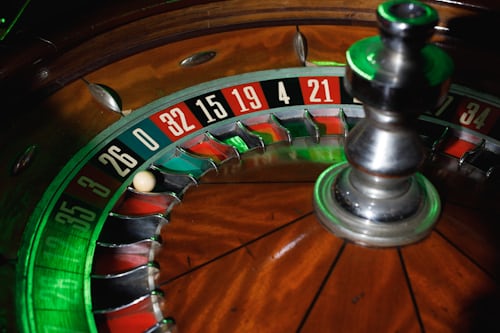
Moreover, the unpredictable nature of these games adds to the excitement. The uncertainty of outcomes not only heightens the emotional stakes but also cultivates a sense of agency. Players feel a sense of control over their decisions, believing that strategies or instincts could lead to a favorable outcome, even in games predominantly governed by chance.
Cognitive Biases in Gambling
Psychologists have identified several cognitive biases that influence gambling behavior, particularly in high-stakes environments. One such bias is the illusion of control, where players overestimate their ability to influence random events. For instance, a player may believe that their betting strategies can sway a game’s outcome, despite the odds being purely chance-based. This belief can enhance their commitment to the game, leading them to wager more and take bigger risks.
Another common bias is the gambler’s fallacy, in which individuals assume that past events affect future probabilities. For example, if a player witnesses a series of losses, they may convince themselves that a win is imminent, prompting them to increase their bets. These cognitive distortions can lead to prolonged gambling sessions and increased financial losses, as players chase perceived “due” wins.
The Social Dimensions of High-Stakes Gambling
High-stakes casino games often serve as social arenas, where players engage with others who share similar interests. The camaraderie fostered in such environments can intensify the experience, creating a sense of belonging. This social aspect can amplify the enjoyment derived from the games, as interactions with fellow gamblers can lead to shared excitement and collective risk-taking.
Furthermore, the presence of onlookers can influence player behavior. The desire to impress peers or validate one’s skills can lead players to take greater risks. This social pressure often drives individuals to push their limits, compounding the psychological elements at play in high-stakes gambling scenarios.
The Role of Emotion in Decision-Making
Emotions play a critical role in decision-making within high-stakes casino games. Players often experience a rollercoaster of feelings, from exhilaration to despair, as fortunes fluctuate rapidly. These emotional highs and lows can cloud judgment and lead to impulsive decisions. For instance, after a big win, a player may feel invincible, prompting them to gamble recklessly in an attempt to replicate their success.
Conversely, after a loss, some players may fall into a state of desperation, believing they need to continue gambling to recover their losses. This emotional rollercoaster can create a cycle of chasing losses and escalating bets, which is detrimental to a player’s financial stability and mental health. Understanding these emotional dynamics is crucial for recognizing the risks associated with high-stakes gambling.

Enhancing User Experience on Our Website
Our website is designed to provide users with comprehensive resources and insights into various topics, including the fascinating psychology behind high-stakes casino games. We aim to enhance your understanding of these dynamics while ensuring a straightforward navigation experience. By exploring our site, you will find valuable content that can inform your perspective on gambling and its psychological impacts.
We encourage users to engage with our diverse offerings and to delve deeper into the complexities of gambling psychology. Whether you’re a seasoned gambler or simply curious about the mechanisms at play, our platform serves as a gateway to understanding the intricate relationship between psychology and high-stakes gaming.